
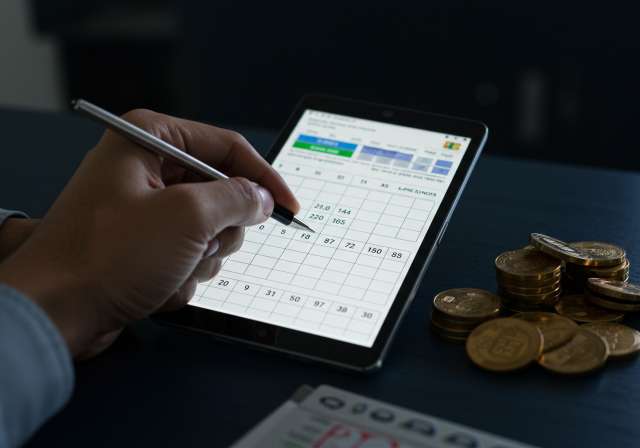
Unlock India's equity markets with instant demat account opening. Discover the seamless process, essential documents, and benefits for investors on NSE & BSE…
The Indian financial landscape has undergone a remarkable transformation over the past decade. Once considered a complex domain reserved for seasoned investors and brokers, the equity market, spearheaded by giants like the National Stock Exchange (NSE) and the Bombay Stock Exchange (BSE), is now more accessible than ever before. Fueling this democratisation of wealth creation is a crucial innovation: the facility of instant demat account opening. For millions of aspiring and experienced investors across Bharat, this seamless process has become the cornerstone of their investment journey, offering unprecedented speed and convenience.
Gone are the days of tedious paperwork, multiple visits to broker offices, and weeks of waiting to get your account activated. Today, thanks to advancements in technology, Aadhaar-based eKYC, and the proactive efforts of SEBI-regulated financial intermediaries, opening a dematerialised (Demat) account is often a matter of minutes. This article delves deep into everything you need to know about instant demat account opening – its significance, the process, the prerequisites, and why it’s a game-changer for the modern Indian investor.
What Exactly is a Demat Account and Why is it Essential?
Before we dive into the ‘instant’ aspect, let’s clarify what a Demat account is. In simple terms, a Demat account is an electronic account that holds your securities, such as shares, bonds, mutual fund units, and other financial instruments, in a dematerialised form. Think of it as a digital locker or a bank account, but instead of holding your money, it holds your investments.
Historically, shares were held in physical certificate form. This often led to issues like theft, damage, forgery, and cumbersome transfer processes. To address these challenges and streamline the trading process, SEBI mandated the dematerialisation of securities. Today, if you wish to buy or sell shares on the NSE or BSE, it’s virtually impossible to do so without a Demat account. When you buy shares, they are credited to your Demat account, and when you sell, they are debited from it.
The entire system is managed by two central depositories in India: the National Securities Depository Limited (NSDL) and the Central Depository Services (India) Limited (CDSL). These depositories, under the watchful eye of SEBI, ensure the safe and efficient custody and transfer of your electronic securities. Your Demat account is opened with a Depository Participant (DP), which is an agent of NSDL or CDSL – typically a stockbroker, bank, or a non-banking financial company.
The Evolution of Demat Account Opening: From Paper to Pixels
For many years, opening a Demat account was a lengthy, paper-intensive procedure. It involved submitting physical copies of identity proof, address proof, income proof, passport-sized photographs, and signing numerous forms. This process could easily take several days, sometimes even weeks, making it a barrier for individuals looking to quickly enter the market or capitalise on timely investment opportunities.
The paradigm shifted dramatically with the advent of digital India initiatives and the widespread adoption of Aadhaar. The introduction of eKYC (Electronic Know Your Customer) and video-based In-Person Verification (IPV) revolutionised the onboarding process. Financial institutions, driven by competitive pressures and technological innovation, developed robust online platforms that could verify customer details almost instantly.
This digital transformation has given birth to the phenomenon of instant demat account opening. It leverages technologies like Aadhaar OTP verification, Digilocker integration, and real-time bank account validation to reduce the verification time from days to mere minutes. This speed and efficiency have significantly lowered the entry barrier, enabling millions more Indians to participate in the formal financial markets.
Why Opt for Instant Demat Account Opening? The Indian Investor’s Edge
For the modern Indian investor, the benefits of instant Demat account opening extend far beyond mere convenience. It offers a strategic advantage in a fast-paced market:
1. Seizing Market Opportunities Instantly
The Indian equity markets, like global markets, are dynamic. Opportunities, be it an attractive IPO, a market dip presenting a buying chance, or a fundamentally strong stock correcting, can emerge and vanish quickly. With instant demat account opening, you can swiftly get set up and capitalise on these moments, rather than watching them pass by due to procedural delays. Imagine wanting to invest in a promising new-age IPO that’s oversubscribed rapidly; an instant account can be the difference between participation and regret.
2. Enhanced Accessibility and Financial Inclusion
Instant online processes have democratised access to investing. Individuals from tier-2 and tier-3 cities, or even remote villages with internet access, can now open a Demat account without needing to visit a physical branch. This fosters greater financial inclusion, bringing more citizens into the formal investment ecosystem and helping them diversify beyond traditional instruments like fixed deposits, PPF, or gold.
3. Reduced Paperwork and Environmental Impact
A significant benefit is the drastic reduction in paperwork. Everything is done digitally – from form submission to e-signatures. This not only saves time and effort for the investor but also contributes positively to environmental conservation by reducing paper consumption.
4. Cost Efficiency
While not universally true, many online brokers offering instant demat account opening have lower operating costs, which often translate into more competitive brokerage charges and lower account maintenance fees (AMC) for investors. This can be particularly beneficial for new investors or those with smaller capital.
5. Seamless Integration with Trading Accounts
Most instant Demat account openings happen in conjunction with a trading account. A trading account is what allows you to place buy and sell orders on the stock exchange. The integrated process ensures that once your Demat account is active, you are immediately ready to trade, transferring funds from your linked bank account and executing transactions without any further hurdles.
6. Diversification of Investment Portfolio
While traditional instruments like PPF, NPS, and bank FDs are essential for financial planning, equity markets offer the potential for higher inflation-beating returns. An instant Demat account provides the gateway to diversify your portfolio with stocks, ETFs, mutual funds (if bought via exchange), and even government securities, aligning your investments with your long-term wealth creation goals.
Prerequisites for Instant Demat Account Opening: What You Need
While the process is instant, certain essential documents and readiness are required to ensure a smooth onboarding experience. Ensure you have the following ready:
1. PAN Card (Permanent Account Number)
This is non-negotiable and mandatory for any financial transaction in India, including opening a Demat account. Your PAN card must be valid and linked to your Aadhaar for smooth eKYC.
2. Aadhaar Card
For instant demat account opening, an Aadhaar card linked to your mobile number is crucial. This allows for OTP-based eKYC verification, which is the fastest way to complete the identity verification process online. Make sure the mobile number linked to your Aadhaar is accessible.
3. Bank Account Details
You will need a savings bank account in your name (or a joint account where you are the primary holder) linked to your Demat and trading account. This account will be used for transferring funds for investments and receiving payouts from sales or dividends. Have your bank account number, IFSC code, and perhaps a cancelled cheque or bank statement ready for verification.
4. Proof of Address
While Aadhaar often serves this purpose through eKYC, some brokers might require additional proof if the address on Aadhaar is not current or if you’re not using Aadhaar eKYC. Documents like a driving license, passport, voter ID, or utility bills (electricity, gas, landline bill not older than 3 months) can serve as address proof.
5. Proof of Income (Optional, but Recommended for Derivatives)
If you intend to trade in Futures & Options (F&O) or other derivatives segments, proof of income is mandatory. This can include your latest ITR acknowledgement, salary slips (for the last 3 months), bank statement showing income, or Form 16.
6. Digital Signature / Webcam for IPV
You will need a digital image of your signature, or in many cases, you’ll be required to complete a video-based In-Person Verification (IPV) where you record a short video of yourself, often displaying your PAN card. This step verifies your identity and presence.
7. Stable Internet Connection and Device
A smartphone or computer with a stable internet connection and a working camera (for IPV) is essential to complete the online application process without interruptions.
The Step-by-Step Process of Instant Demat Account Opening
While the exact steps might vary slightly between different brokers, the general process for instant demat account opening is largely standardised:
-
Choose a SEBI-Registered Broker:
The first and most critical step is to select a Depository Participant (DP) or stockbroker that is registered with SEBI and offers online account opening. Research their brokerage charges, Annual Maintenance Charges (AMC), trading platform, customer support, and research tools.
-
Fill the Online Application Form:
Visit the broker’s website or app and initiate the Demat and trading account opening process. You’ll be prompted to fill out an online application form with your personal details, bank details, and nominee information.
-
Complete eKYC Verification:
This is where the ‘instant’ magic happens. Most brokers offer Aadhaar-based eKYC. You’ll enter your Aadhaar number, receive an OTP on your linked mobile number, and upon successful verification, your details (name, address, date of birth) will be fetched instantly from the Aadhaar database.
-
Upload Required Documents:
You may need to upload digital copies (scans or photos) of your PAN card, bank proof (cancelled cheque or statement), and a clear picture of your signature. If Aadhaar eKYC doesn’t fetch your full address or if additional proof is needed, you might upload an address proof as well.
-
In-Person Verification (IPV):
To comply with regulatory requirements, an IPV is mandatory. Many brokers facilitate this through a live video call with a representative or by asking you to record a short video of yourself holding your PAN card. Ensure good lighting and a clear background for this step.
-
Link Bank Account:
Confirm your bank account details. This account will be linked to your trading account for fund transfers.
-
E-Sign the Application:
Once all details are filled and verified, you will electronically sign the Demat and trading account agreement. This is typically done using Aadhaar OTP (e-sign) or by signing a digitally generated document and uploading it.
-
Account Activation and Credentials:
Upon successful verification of all documents and completion of IPV and e-signing, your Demat and trading account will be activated, often within minutes or a few hours. You will receive your client ID, login credentials, and other essential details via email and SMS.
Congratulations! You are now ready to begin your investment journey on the NSE and BSE.
Beyond Shares: What Else Can You Hold in Your Demat Account?
A Demat account is not just for holding equity shares. It’s a versatile tool that can house a wide array of investment instruments, making it a comprehensive digital portfolio for the Indian investor:
- Equity Shares: The most common, representing ownership in listed companies on NSE and BSE.
- Mutual Fund Units: While many investors buy mutual funds directly from AMCs (Asset Management Companies) via SIPs, you can also hold mutual fund units purchased through the stock exchange route in your Demat account.
- Exchange Traded Funds (ETFs): These are funds that trade like stocks on the exchange. They are popular for diversified, low-cost exposure to various asset classes or indices.
- Bonds and Debentures: Corporate bonds, government bonds, and non-convertible debentures (NCDs) can be held in Demat form.
- Government Securities (G-Secs): Sovereign bonds issued by the government can also be held, offering a relatively safer investment option.
- Sovereign Gold Bonds (SGBs): These government-backed bonds denominated in grams of gold offer an alternative to physical gold, held in Demat form.
- Initial Public Offerings (IPOs): When you apply for an IPO, the shares, if allotted, are credited directly to your Demat account.
- ELSS (Equity Linked Saving Scheme): While primarily mutual funds, if you invest in ELSS through the exchange route, those units can also be in your Demat. ELSS offers tax benefits under Section 80C, making it a popular choice alongside PPF and NPS.
This wide range of instruments allows investors to build a truly diversified portfolio under one digital roof, simplifying management and tracking.
Choosing the Right Broker for Your Instant Demat Account
With numerous players in the market, selecting the right broker is crucial. Here are key factors to consider:
- SEBI Registration: Always ensure the broker is registered with SEBI and is a Depository Participant with NSDL or CDSL. This safeguards your investments.
- Brokerage Charges: Compare brokerage fees for delivery, intraday, and F&O trading. Many discount brokers offer flat fees or zero brokerage for delivery trades. Also, check transaction charges, STT (Securities Transaction Tax), stamp duty, and other statutory levies.
- Annual Maintenance Charges (AMC): Some brokers charge an annual fee for maintaining your Demat account, while others offer a lifetime free AMC.
- Trading Platform & User Experience: Evaluate the broker’s trading platform (web, mobile app). Is it user-friendly, fast, reliable, and equipped with essential features like charting tools, market watch, and order types?
- Customer Support: A responsive and helpful customer support team is invaluable, especially for new investors.
- Research & Analysis Tools: Does the broker provide research reports, market insights, and analytical tools to help you make informed investment decisions?
- Educational Resources: Some brokers offer webinars, tutorials, and articles to educate their clients, which can be a great asset for beginners.
Important Considerations for Indian Investors
While instant demat account opening simplifies access, smart investing requires awareness of broader financial aspects:
1. Regulatory Framework by SEBI
SEBI (Securities and Exchange Board of India) is the primary regulator of the Indian securities market. Its regulations are designed to protect investors. Always deal with SEBI-registered entities and be aware of your rights as an investor.
2. Risk Management
Equity markets carry inherent risks. While the potential for high returns exists, there’s also a risk of capital loss. Invest only what you can afford to lose, diversify your portfolio, and understand the companies you invest in. Do not rely solely on tips or rumours.
3. Tax Implications
Be aware of the tax implications of your investments. Short-term Capital Gains Tax (STCG) and Long-term Capital Gains Tax (LTCG) apply to share sales. Dividends are also taxable. Consult a tax advisor for personalised guidance.
4. Nomination Facility
Always utilise the nomination facility for your Demat account. This ensures that in an unforeseen event, your investments are seamlessly transferred to your chosen nominee, avoiding legal complexities for your loved ones.
5. Linking with Other Investment Goals
Your equity investments should align with your overall financial goals, whether it’s retirement planning (perhaps supplementing NPS), children’s education, or buying a house. Understand how your stock market exposure fits into your broader financial strategy which might include PPF, FDs, and mutual fund SIPs.
6. Security of Your Account
Protect your login credentials, especially your password and PIN. Be wary of phishing attempts and use strong, unique passwords. Enable two-factor authentication if available, to safeguard your instant demat account.
The Future of Indian Investing & Instant Access
The journey of instant demat account opening is a testament to India’s rapid digital progress. As the economy grows and per capita income rises, more and more Indians will seek avenues for wealth creation beyond traditional savings. The ease of access provided by instant online account opening, coupled with continuous innovations in trading platforms and investment advisory, is set to propel India’s investor base to unprecedented heights.
Further simplification, enhanced AI-driven personalisation, and tighter integration with other financial services are on the horizon. The goal is to make investing as simple and intuitive as any other digital transaction, ensuring that every Indian has the opportunity to participate in the nation’s economic growth story.
Conclusion
The facility of instant demat account opening has truly revolutionised how Indians interact with the stock market. It has transformed a once formidable process into a quick, secure, and accessible gateway to wealth creation. For anyone looking to invest in equity shares, bonds, ETFs, or other market-linked instruments on the NSE and BSE, this digital leap is an undeniable boon.
By understanding the prerequisites, following the simple online steps, and choosing a reputable SEBI-registered broker, you can swiftly open your Demat account and embark on your investment journey. Remember to invest wisely, diversify your portfolio, and stay informed. The power to build your financial future, diversify beyond traditional savings, and truly participate in India’s growth story is now literally at your fingertips. Take that first step towards financial empowerment today!


Leave a Reply